
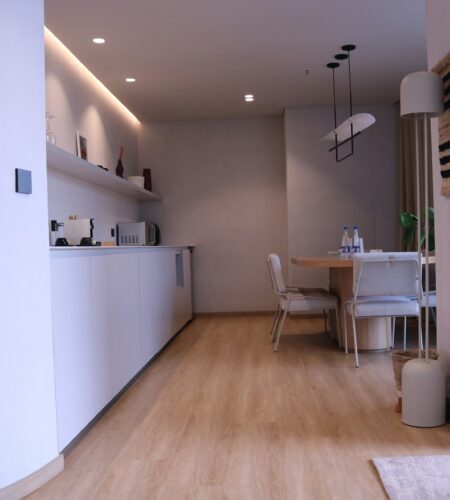
Minimalist living is more than a trend; it’s a lifestyle that promotes intention, clarity, and purpose. By choosing to declutter your surroundings and focus on what truly matters, you can create an environment that fosters peace, creativity, and joy.
This guide explores how adopting a minimalist mindset and taking practical steps to simplify your life can make a profound difference. You’ll learn actionable strategies to identify clutter, reduce stress, and reap the rewards of simple living.
Understanding the Minimalist Mindset
Minimalism is often misunderstood as living with as little as possible—but that’s not necessarily the case. At its core, minimalism is about focusing on what adds value to your life and eliminating anything that doesn’t.
It’s about removing the physical, mental, and emotional clutter that distracts you from what’s truly important.
When you adopt minimalism, your home becomes more than just a place to store belongings; it becomes a sanctuary. Your time becomes more meaningful because it’s no longer dictated by excessive chores or possessions.
The goal is not scarcity, but rather, intentionality. Whether it’s assessing the contents of your closet or deciding how you spend your afternoons, minimalism encourages a thoughtful approach that prioritizes purpose over excess.
How Clutter Impacts Your Life
Clutter extends far beyond stacks of books or piles of clothes. Its effects often reach into your mental and emotional well-being. Studies have shown a link between cluttered spaces and heightened stress levels.
Disorganization can overwhelm the brain and create a constant sense of chaos. This is why decluttering is not just about aesthetics—it’s about creating a more harmonious state of mind.
On a practical level, clutter limits productivity. Time spent searching for misplaced items or navigating a disorganized room adds up, leaving you feeling drained and frustrated.
It also impacts financial decisions, as buying duplicates of items you forgot you owned is all too common in a cluttered environment.
Decluttering your space can free you from these frustrations and allow you to redirect your time and energy toward things that matter most.
Begin Decluttering with Awareness
The first step in decluttering is developing awareness of what you own and how it aligns with your needs. Take a moment to assess your possessions, room by room, and ask yourself a series of questions.
Does this item serve a purpose? Have I used it recently? Does owning it bring me joy or add stress to my life? This exercise can help you identify items that are merely taking up space and might be ready to move on to a new home.
When beginning this process, it helps to start small. A single drawer, a shelf, or even a corner of your living room can be an excellent place to begin.
By tackling manageable areas first, the process feels less overwhelming, and the victories help build momentum. Celebrate the progress you make along the way.
Curate a Home That Reflects You
One of the most valuable aspects of minimalist living is the opportunity to create a space that genuinely reflects your values.
Each object you decide to keep should align with your daily needs and personal aspirations. Surrounding yourself with meaningful possessions creates an environment that nurtures positivity and inspiration.
Consider functional and versatile furniture that serves multiple purposes. Evaluate décor choices that amplify natural light and clean lines.
Simplifying doesn’t mean your space has to be bare or cold—it means transforming it into a welcoming haven filled with thoughtful design and meaningful items. The result is a home that not only looks better but feels better too.
Decluttering Isn’t Just About Physical Space
While it’s easy to associate minimalism with physical belongings, it’s essential to think beyond what you can touch. Mental and digital clutter also deserve attention.
Take time to declutter your calendar by reviewing weekly commitments and eliminating obligations that no longer align with your priorities. Consider how you spend your time online, including email inboxes and social media accounts.
For example, unsubscribe from newsletters you no longer read or limit screen time on apps that don’t bring you joy or value.
Decluttering these intangible areas can provide mental clarity and focus. It’s amazing how much lighter you’ll feel when you reduce digital distractions or free yourself from saying “yes” to things out of guilt or obligation.
The Ripple Effect of a Decluttered Life
When you declutter your surroundings, you offer yourself the gift of peace, but the rewards often extend far beyond your personal space. Simplifying your relationship with material things opens the door to deeper connection and purpose.
With more time and mental bandwidth, engaging with hobbies, spending time with loved ones, and exploring personal growth opportunities become much easier.
Financial benefits also emerge when you stop purchasing unnecessary items. Minimalism encourages a thoughtful approach toward spending, often leading to significant savings over time.
Additionally, decluttering aligns beautifully with sustainability goals. Passing items on to friends, donating them to people in need, or recycling responsibly reduces waste while helping others in the process.
Sustaining Simplicity for the Long Term
Minimalism is not a one-time activity but a lifestyle choice that evolves. It requires an ongoing commitment to intentionality.
This doesn’t mean you need to declutter constantly—it means regularly pausing to reflect on what adds value to your life and what detracts from it.
By adopting habits that align with minimalism, such as mindful purchasing decisions and regular organizing sessions, you’ll find it easier to maintain a clutter-free environment.
Building systems, like labeled storage or a dedicated place for keys and daily essentials, contribute to lasting simplicity. The more streamlined your environment becomes, the more natural these systems will feel.
If your decluttering journey is leading up to a big transition, like relocating to a new home, that same intentionality can extend to the businesses you work with.
Moving companies that run on modern crm software for moving company operations, for instance, can offer the kind of streamlined, transparent service that mirrors the simplicity you’ve worked to create.
Live with Intention
Minimalist living is not simply about letting go; it’s about creating an intentional, fulfilling life filled with purpose and clarity. By decluttering your space and simplifying your surroundings, you invite balance and harmony into your daily experience.
The declutter tips and process may feel challenging at first, but its rewards are long-lasting.
Each intentional choice you make empowers you to align your environment with your values. If you’re ready to begin your minimalist living journey, consider how you can start today, even with one small step.
Subscribe to our email newsletter to get the latest posts delivered right to your email.