
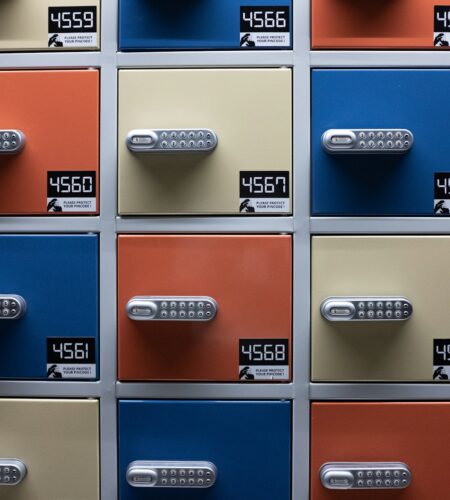
The modern office functions quite differently from how it did a decade ago. Hybrid schedules, shared desks, and flexible hours are now standard operating procedures for many organizations.
As facility managers and corporate leaders adapt to these changes, they face new logistical challenges regarding space optimization and employee convenience. Finding efficient ways to manage personal belongings and corporate equipment has become a top priority for growing enterprises.
Traditional metal cabinets with easily misplaced physical keys are no longer sufficient for dynamic environments.
Employees need secure spaces to store their bags or IT assets without the friction of remembering combinations or tracking down a facilities manager for access. This shift necessitates upgraded infrastructure that aligns with contemporary technological standards and building management practices.
By reading this guide, you will discover how integrating advanced locker technology can streamline daily operations, improve security, and elevate the overall employee experience.
We will explore the specific mechanisms that make these systems effective, the software integration capabilities they offer, and the long-term logistical benefits they provide for expanding businesses.
Embracing the Dynamic Office Environment
Accommodating Hybrid Workflows
A true workplace revolution requires infrastructure that supports flexibility at its core. When staff members split their time between remote work and the physical office, assigning permanent lockers to every individual often wastes valuable floor space.
Dynamic allocation solves this spatial problem by allowing users to claim storage compartments only when they are physically present in the building.
Administrators can set up these intelligent systems to function on a first-come, first-served basis or allow staff to reserve spaces ahead of time through a mobile application.
This flexibility ensures consistently high occupancy rates and dramatically reduces the physical footprint required for staff storage, freeing up room for collaborative workspaces or extra desks.
Elevating Security Protocols
Implementing Advanced Authentication
Protecting sensitive corporate documents and personal items is essential for maintaining a safe and trusting corporate culture.
Advanced smart storage solutions provide robust security features that far exceed the physical capabilities of traditional padlocks. Organizations can choose from a wide variety of authentication methods to perfectly suit their specific internal security requirements.
- RFID cards and standard employee badges
- Personal Identification Numbers (PINs) entered via touchscreen
- Mobile application credentials via Bluetooth
- Apple Wallet and Google Wallet integrations
These customizable options ensure that only authorized personnel can open specific compartments, significantly reducing the risk of theft or unauthorized entry across your facilities.
Streamlining Asset Management
Tracking High-Value Equipment
Companies lose substantial amounts of money each year due to misplaced or stolen operational equipment. IT departments and warehouse managers spend countless hours manually logging laptops, two-way radios, and specialized industrial tools.
Moving toward an automated locker system digitizes this entire process and removes the element of human error.
Employees can check out required gear seamlessly using their existing company ID badges. The backend system automatically creates a real-time audit trail, recording exactly who accessed a specific compartment and at what time.
Some advanced configurations can even track returned items by weight to ensure the correct asset was safely placed back inside at the end of a shift.
Enhancing Daily Convenience
Frictionless Employee Experiences
Nobody enjoys waiting in line at the facilities desk to report a lost key or request a manual lock reset. Providing contactless access eliminates these common administrative bottlenecks and gives employees full autonomy over their storage needs.
Staff members can effortlessly store their belongings using the digital identification methods they already carry on their person.
- Reduces ongoing administrative overhead for IT and facility management teams.
- Provides instant, self-service retrieval for internal parcels and mail.
- Creates a seamless, stress-free start and finish to the employee workday.
This friction-free approach demonstrates a clear commitment to employee well-being, keeping staff focused on their actual work rather than logistical hurdles.
Connecting Digital Infrastructure
Cloud-Based Administration
Modern building management relies heavily on interconnected software. The most effective locker systems integrate directly with the digital tools and platforms your organization already relies upon.
Facility managers do not need to learn an entirely new, isolated software ecosystem just to manage physical storage.
Through intuitive cloud-based management portals, administrators can assign permissions, monitor usage metrics, and integrate with enterprise platforms like Microsoft Entra ID, Okta, and Azure Active Directory.
This functionality centralizes user management, automates onboarding and offboarding, and keeps operational data securely synced across your entire corporate network.
Prioritizing Sustainability in Office Design
Choosing Eco-Friendly Hardware
Environmental responsibility plays a major role in modern corporate procurement decisions.
Selecting infrastructure built with sustainable materials helps organizations meet their internal green initiatives while simultaneously reducing their carbon footprint. Premium locker walls often feature construction from recycled steel or circular wood sourced from recovered materials.
Furthermore, cloud-connected locks utilize innovative low-energy consumption modes whenever they are inactive, ensuring that your facility remains highly energy efficient without sacrificing technological performance.
Transforming Your Facility for the Future
Optimizing your corporate environment requires thoughtful investments in technology that actively scales with your workforce.
Upgrading your storage infrastructure improves perimeter security, streamlines daily asset management, and provides staff with a seamless operational experience. As your organization continues to grow and adapt to new workflows, having adaptable, data-driven systems in place will prove invaluable.
If you are ready to evaluate the best configuration for your specific facility needs, click here to explore industry-leading options and book a demonstration with a technical expert today.
Subscribe to our email newsletter to get the latest posts delivered right to your email.