
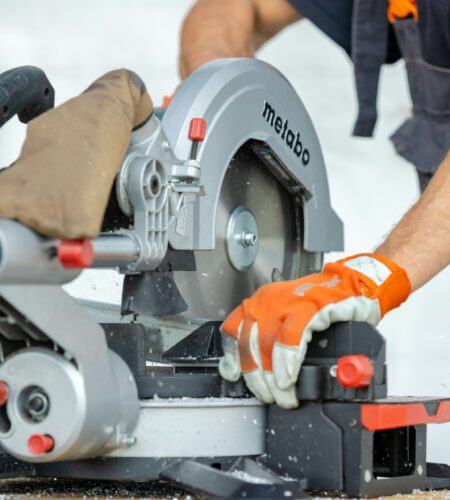
Nearly everything that shapes our daily lives begins with making a cut. Turning on the lights requires running wires through walls, while navigating the roads relies on precise vehicle frames and components.
Behind all these modern conveniences is a massive industry of manufacturing and construction, heavily dependent on reliable equipment to slice through wood, metal, plastics, and exotic alloys.
Achieving a clean, accurate slice requires superior cutting technology. Using the wrong equipment can lead to damaged materials, excessive waste, and significant project delays.
Manufacturers and construction professionals need reliable resources to keep their operations running smoothly. They rely on specialized tools designed to handle specific materials without causing unnecessary friction or heat buildup.
Finding the right equipment means looking closely at the specific demands of your project.
If you want to explore an extensive catalog of high-quality options built for intense manufacturing environments, you can click here to see what a leading industry provider has to offer. The following sections explore the key factors to consider when upgrading your cutting applications.
The Evolution of Industrial Equipment
Adapting to Modern Demands
Over the past few decades, construction materials have become stronger and more complex.
Engineers regularly use advanced super alloys, thick-walled steel, and solid billets to construct durable machinery and infrastructure. As materials evolve, the instruments used to shape them must also advance.
Standard saw blades often struggle to penetrate these hardened materials. They wear down quickly, requiring frequent replacements that halt production lines.
Modern engineering has responded by developing industrial blades featuring advanced tooth geometries and specialized coatings. These innovations allow professionals to maintain high speeds and smooth finishes, even when working with the toughest materials on the market.
Key Features of High-Performance Blades
Durability and Precision
When evaluating new equipment for your shop or job site, specific features separate average tools from exceptional ones. Understanding these characteristics helps you make informed purchasing decisions.
Look for the following essential features when selecting your next blade:
- Temperature-resistant coatings: Coatings like those found on Challenger Edge Lock blades maintain blade life and can more than double productivity compared to uncoated alternatives.
- Optimized tooth set designs: A patented tooth design allows operators to cut more holes in less time, minimizing runout and vibration.
- Enhanced side slots: These provide increased leverage for faster, easier slug removal, keeping your workflow moving without interruption.
- Solid cap construction: This structural enhancement improves accuracy and reduces overall tool wear.
Bi-Metal vs. Carbide Tipped Options
Choosing the Right Material
Selecting the correct blade material is crucial for achieving superior cutting results. Two of the most popular and effective options are bi-metal and carbide-tipped designs.
Bi-metal blades offer an excellent general-purpose solution. They merge a high-speed steel cutting edge with a flexible alloy steel backer.
This combination allows them to bend without breaking, making them ideal for cutting machinable metals, stainless steel alloys, pipe, tubing, and nail-embedded wood.
Carbide-tipped options, such as the Kraken hole saws, are engineered for better chip clearance and faster slug removal. They excel at cutting fiberglass, wood, fiberboard, drywall, plaster, and laminates.
For metalwork, tools like the Metal Devil carbide/cermet circular saw blades provide cooler, cleaner cuts with a smooth finish that requires virtually no rework.
Specialized Tools for Exotic Metals
Conquering Ferrous and Super Alloys
General-purpose tools work perfectly for standard construction materials, but specialized manufacturing requires a different approach. Exotic and ferrous steel, particularly thick-wall and solid billet applications, demand heavy-duty solutions.
Using standard industrial blades on super alloys often leads to ruined equipment and unacceptable surface finishes. Instead, production facilities rely on heavy-duty options like the Jawbreaker carbide-tipped band saw blades.
These specialized tools are explicitly designed for production cutting of large billets and very hard-to-cut materials. By matching the specific tool to the precise alloy, manufacturers drastically reduce their cost-per-cut and improve their overall output quality.
Maximizing Efficiency on the Job Site
Speed, Finish, and Less Rework
Efficiency is the cornerstone of any profitable manufacturing or construction operation. Every minute spent changing a dull blade or grinding away rough edges eats directly into a project’s profit margin.
Upgrading to premium cutting solutions directly impacts your bottom line. When a blade delivers a smooth finish on steel, stainless steel, or aluminum, it eliminates the need for secondary grinding or polishing.
A cleaner initial cut means your fabrication team can move immediately to welding or assembly. Furthermore, tools that operate cooler reduce the risk of heat distortion, preserving the structural integrity of the base material.
Partnering with a Reliable Manufacturer
The American-Engineered Advantage
Sourcing your tools from a trusted manufacturer ensures consistent quality and reliable customer support. Since 1963, companies like The M. K. Morse Company have dedicated themselves to helping professionals work smarter and faster.
Operating out of advanced manufacturing facilities in Canton, Ohio, teams of passionate experts design and build rugged band saw blades, high-performance reciprocating blades, and essential accessories.
This commitment to American-engineered solutions, continuous improvement, and genuine partnership guarantees that businesses have the resources they need to succeed in demanding environments.
Moving Forward with Confidence
Upgrading your cutting equipment is a strategic investment in your company’s productivity.
By understanding the unique properties of bi-metal and carbide-tipped blades, and by selecting specialized tools for exotic materials, you can significantly reduce waste and minimize costly rework.
Take the time to assess your current inventory and identify areas where frequent blade changes are slowing down your production line.
Partner with an experienced manufacturer to source industrial blades that align perfectly with your daily operational demands. Investing in high-quality equipment today ensures cleaner cuts, safer work environments, and a more profitable business tomorrow.
Subscribe to our email newsletter to get the latest posts delivered right to your email.