
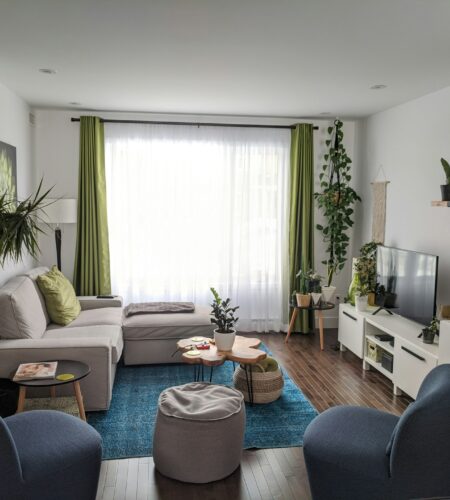
Plants do more than just enhance the physical appearance of your home. Their role in improving mental well-being has gained increasing attention, with research suggesting that incorporating indoor greenery into your daily environment can have a far-reaching impact on mood, stress levels, and overall wellness.
This blog will explore the many ways indoor plants can help uplift your mood while contributing to a more serene and pleasant home or office space.
Drawing from well-established studies and expert wellness tips, we’ll discuss how certain plants not only add aesthetic charm to your home decor but improve air quality, create a calming atmosphere, and foster a connection with nature that benefits mental health.
Plants that Create a Calming Atmosphere
The calming presence of plants begins with their very appearance. Soft greens and delicate textures offer a sense of tranquility, helping to diffuse tension in your living space.
At the same time, intentionally positioning plants in well-lit corners or along windows can enhance your home decor by creating inviting, balanced spaces.
Popular choices such as peace lilies and snake plants are known for their ability to filter indoor air, creating an environment that feels both breathable and fresh. Broad-leaf foliage adds depth to a room while reminding you of nature’s comforting qualities.
Houseplants like ferns and philodendrons, often chosen for their lush, trailing leaves, promote a sense of natural abundance that produces organic relaxation.
Their cascading forms evoke natural waterfalls or forests, transforming even compact apartments into soothing retreats.
How Indoor Plants Boost Mental Health Through Care
The act of caring for plants cultivates more than just greenery. Nurturing plants provides a unique opportunity to slow down and engage in mindful activities.
Watering, pruning, and repotting plants require focus and care, ultimately fostering a small but meaningful sense of accomplishment.
Wellness experts suggest that tending to plants encourages individuals to carve out moments of leisure, grounding them in the present moment and reducing work-related stress.
Gardening, even on a small, indoor scale, has been shown to lower cortisol levels, a stress hormone tied to various health concerns.
The repetitive, gentle motions required to dilute plant feed, wipe leaves, or rearrange planters offer a hands-on and tactile way to unwind after a busy day.
The Science of Cleaner Air and Its Mood Benefits
Indoor plants, commonly recognized for their air-cleaning properties, also indirectly contribute to mood enhancement. By absorbing carbon dioxide and releasing oxygen, greenery such as spider plants and Boston ferns foster improved indoor air quality.
Living in spaces with fresh, clean air can help reduce fatigue, headaches, and even mild respiratory concerns, which elevates both physical and mental well-being.
NASA studies in the late 20th century highlighted specific plants like aloe vera and bamboo palms for their ability to reduce toxins such as benzene and formaldehyde from indoor air.
Particularly in urban environments, these natural air purifiers offer essential benefits for those who yearn for cleaner living spaces amidst city pollution.
The invigorating combination of fresh oxygen and reduced toxins can create an atmosphere where creativity and productivity thrive, boosting your overall outlook on life.
Adding Greenery as a Form of Home Connection
Beyond their practical benefits, indoor plants serve as powerful symbols of vitality that deepen the sense of connection you feel with your home environment.
Green spaces remind us of open landscapes, forests, and gardens—bringing the essence of serene outdoor spaces inside the walls of our private living quarters.
This symbolic link between greenery and emotional well-being stems from our natural affinity for plant life, known as “biophilia.”
Strategically placed plants in shared spaces such as kitchens or living rooms evoke warmth and unity, fostering positive interactions between loved ones or roommates.
Homes that lean heavily on plant-friendly design—incorporating vertical gardens or plant-filled shelves—create spaces that feel alive, dynamic, and inviting.
Lighting considerations play a critical role here; complementing plants with natural sunlight or indoor grow lights highlights their lush textures, enhancing visual aesthetics.
Effortlessly combining beauty with balance, plants become a grounding force that allows the mind to relax and feel at ease.
Which Plants Are Best for Beginners?
First-time plant owners often worry about maintenance or struggling to find plants suited to their routines.
Fortunately, there are low-maintenance options, including pothos plants and zz plants, which are known for surviving low-light conditions while requiring minimal attention.
These beginner-friendly additions are a practical way to explore the world of indoor greenery without feeling overwhelmed.
If you’re striving for a statement piece yet prefer simplicity, fiddle leaf figs, despite their dramatic appearance, make excellent candidates for larger rooms in need of uncomplicated brightness.
Their structural build contributes to design symmetry while demanding only occasional watering. For compact desks or shelves, succulents like echeveria or haworthia offer a splash of charm without consuming much time or energy for upkeep.
Understanding these easy-care options allows budding plant enthusiasts to approach indoor gardening with confidence, discovering daily doses of satisfaction that encourage a positive state of mind rather than worry about brittle leaves or withered stems.
Long-Term Wellness Through Biophilic Design
With careful reflection on how to integrate indoor plants seamlessly with your lifestyle, you can begin adopting principles of biophilic design—a modern approach to blending nature with built environments.
The essence of biophilic design is incorporating natural materials, light, and vegetation in a way that strengthens harmony between humans, their surroundings, and their daily routines.
This intentional effort to infuse natural elements into home decor supports holistic well-being. Dedicated green zones, indoor herb gardens, or even cascading hanging plants in forgotten corner spaces can collectively shape an atmosphere of balance.
Whether unwinding in a cozy reading nook surrounded by variegated ivy or sipping coffee next to a sunny garden-facing window, these settings amplify positivity and relaxation.
Investing in indoor greenery is not simply about aesthetics; it encourages both mindfulness routines and genuine comfort.
Homes punctuated by thoughtfully designed plant landscapes seamlessly connect the modern world with timeless elements of outdoor serenity.
Cultivate Calm, One Leaf at a Time
Indoor plants provide more than elegant additions to home decor—they represent an accessible, impactful way to nurture both your environment and your mental health.
By incorporating vivid foliage and thoughtfully arranged greenery into your favorite settings, you’ll marvel at the subtle transformation they bring to your daily life.
Explore the variety of plants available to suit your preferences and begin building a green sanctuary that matches your unique style.
Whether you’re looking to curate inviting spaces for family gatherings or seeking solitude in sunlit corners, indoor plants deliver personal calm worth cultivating.
Of course, a thriving indoor garden also depends on the health of the home surrounding it.
Issues like hidden leaks or poor water quality can quietly undermine both your plants and your own well-being, so it’s worth keeping your home’s plumbing and water systems in good condition alongside your greenery.
Learn more about maintaining a healthy home environment that supports your wellness goals from the ground up.
Subscribe to our email newsletter to get the latest posts delivered right to your email.